

Table of Contents
ToggleFortnite on Nintendo Switch has carved out its own niche in the battle royale landscape. While the Switch’s hardware can’t match the raw power of PS5 or high-end PCs, the portability and accessibility it offers make it a legitimate choice for millions of players. Whether you’re grinding ranked matches on your commute, playing casually with friends, or trying to secure those Victory Royales, the Switch version delivers the full Fortnite experience, albeit with some tactical compromises. This guide covers everything you need to know to maximize your performance, from initial setup through advanced competitive strategies. We’ll break down the specifics: performance expectations, optimal controller configs, cross-play mechanics, and the tips that actually matter when you’re limited to 120 FPS (docked) or 30 FPS (handheld).
Key Takeaways
- Fortnite on Nintendo Switch delivers the full battle royale experience with portability as its defining advantage, letting you play competitively docked, handheld, or in tabletop mode across platforms with cross-progression.
- Enable Performance Mode at 60 FPS (docked) over Quality Mode to gain faster response times and smoother aim tracking—a critical edge in competitive Nintendo Switch Fortnite matches.
- Invest in a Pro Controller and customize button mapping to optimize building speed and aiming precision, as hardware limitations require smart tactical play to outperform opponents with superior mechanical skill.
- Master late-game positioning and resource management rather than trying to out-build PC players; focus on efficient building, predicted rotations, and smart engagement ranges where positioning beats raw mechanical execution.
- Use Team Rumble and Creative Mode training maps daily to sharpen aim, practice edits, and build muscle memory—30 minutes of focused training before ranked sessions will noticeably improve your Fortnite Nintendo Switch performance.
Why Fortnite on Nintendo Switch Remains a Top Choice for Console Gamers
Fortnite on Nintendo Switch attracts players for one simple reason: freedom. The ability to take battle royales anywhere, docked to a TV, handheld in bed, or in tabletop mode at a friend’s house, creates a unique appeal that stationary consoles can’t match. The Switch version hasn’t lost relevance even though its age: it still receives updates alongside other platforms, and cross-progression means your cosmetics and Battle Pass progress sync across every device you own.
The trade-off is visual fidelity. The Switch runs at lower resolution and frame rates compared to PS5 or Xbox Series X, but the gameplay loop remains intact. You still build, shoot, and maneuver through the same map. The skill ceiling translates, good positioning and game sense work on any platform. Many casual and mid-tier competitive players find the Switch perfectly serviceable, and the active community ensures matchmaking stays healthy.
Portability also shifts how some players engage with the game. You’re not grinding 8-hour sessions like you might on desktop: instead, you’re fitting matches into pockets of free time. This actually benefits new players, who feel less pressure to “no-life” the game. For parents monitoring playtime or players juggling school and work, the Switch’s pickup-and-play nature is a genuine strength. The Nintendo Switch Fortnite Bundle remains one of the best entry points into the game, bundling the console with exclusive cosmetics that signal your platform choice.
How to Download and Install Fortnite on Your Nintendo Switch
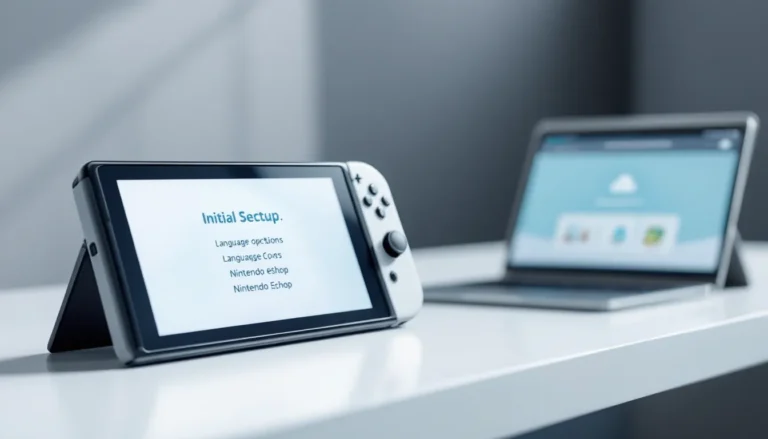
Getting Fortnite on your Switch takes minutes, but you’ll need a few things in place first. You need an active Nintendo Switch Online subscription (either Standard or Expansion Pack, Fortnite doesn’t require the Expansion tier, but it unlocks other features). You’ll also need a Nintendo Account linked to your Switch console and a stable internet connection.
Getting Started: Account Setup and First Steps
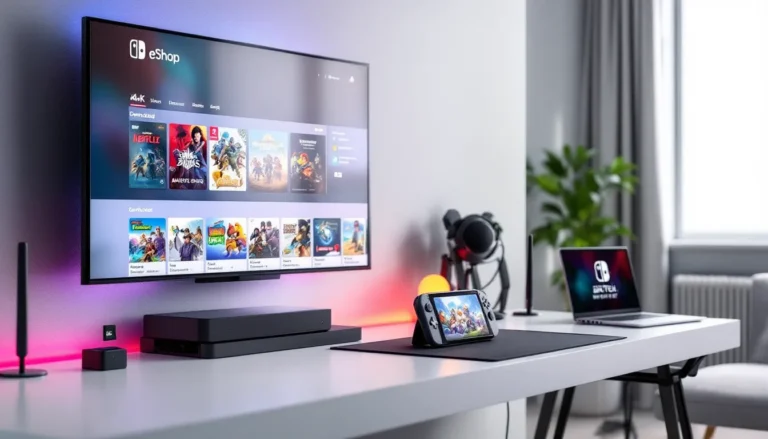
Head to the Nintendo eShop on your Switch home screen. Search for “Fortnite” in the store. You’ll find the official Epic Games entry, it’s free-to-play, so you’ll see a “Download” button instead of a price tag. Tap it, and the console starts pulling the game to your storage. The initial download is roughly 20–30 GB, so make sure you have space: if you’re running low, you can offload other games or use a microSD card (the Switch supports up to 2 TB microSD cards, though you likely won’t need more than 128 GB for gaming).
Once installed, launch Fortnite. You’ll be prompted to link or create an Epic Games account. If you’re new to Fortnite, create an account here, this is where all your cosmetics, V-Bucks, and progress live. If you’ve played Fortnite on other platforms (PC, console, mobile), sign into your existing Epic account. This activates cross-progression immediately, pulling your skins, emotes, pickaxes, and Battle Pass progress straight into your Switch version. Your account becomes your hub across all platforms, so any purchase or unlock on Switch syncs everywhere else.
Optimizing Your Switch Settings for Fortnite Performance
The Switch’s hardware limitations mean optimization is non-negotiable if you want smooth gameplay. Unlike on PC where you can tweak 20 different settings, Switch has a more limited menu. But the choices available matter, a lot.
Graphics and Frame Rate Settings
Launch Fortnite and navigate to Settings > Video. Here’s the critical decision: Performance Mode versus Quality Mode. Performance Mode targets 60 FPS at 1080p (docked) or 30 FPS (handheld). Quality Mode targets 30 FPS at 1440p or higher resolution. For competitive play, Performance Mode is non-negotiable. The frame rate difference feels massive. 60 FPS gives you faster response times, smoother aim tracking, and a tangible advantage in build fights. Quality Mode’s resolution bump isn’t worth the input latency trade-off, especially in late-game scenarios where milliseconds decide engagements.
Disable motion blur and reduce view distance if you’re hitting frame dips. Resolution scaling is your friend here, lowering it maintains frame rate stability without making the game unplayable. Most competitive Switch players run Performance Mode on docked with view distance set to “medium” or “far” depending on their internet stability. Handheld players often accept 30 FPS as a trade-off for portability: if you’re serious about competitive ranks on Switch, dock it.
Controller Configuration and Custom Controls
Fortnite on Switch defaults to a controller layout that works but isn’t optimal for building speed. Jump into Settings > Controller and customize button mapping. Here’s the meta config for build-focused gameplay:
- L (or ZL): Reload/Interact
- R (or ZR): Fire/Attack
- Y: Build Mode Toggle (critical for rapid building)
- X: Secondary Building (place walls, ramps)
- A: Jump
- B: Edit/Confirm
- Left Bumper (LB): Crouch
- Right Bumper (RB): Build (alternate slot)
This layout keeps your thumb on the right stick for aiming while your other fingers handle building. Experiment and find your comfort zone: the best config is the one you’ll actually practice with. Many pro players rebind jump to a shoulder button to keep their thumb steady on the aiming stick during firefights. Test different setups in Team Rumble before taking a custom layout into ranked matches.
Essential Tips for Improving Your Gameplay on Nintendo Switch
Improving on Switch requires understanding the platform’s constraints and playing within them. The hardware won’t carry you: strategy and mechanics will.
Building and Combat Mechanics
Building on Switch is slower than on PC, that’s just physics. Your opponent with a mouse can place 5 walls in the time it takes you to place 3. Accept this and adjust your tactics. Instead of trying to out-build everyone, focus on efficient building: place walls for protection, use ramps for high ground, and minimize wasted edits. Smart building beats rapid building.
Combat feels different too. Your aim acceleration with controller sticks is naturally slower than mouse flicks. Increase your sensitivity (we’ll cover this in the controller section), but don’t max it out: find the sweet spot where you can track moving targets without overshooting. Land aim training courses or creative maps frequently. Building Game modes in Fortnite’s creative islands let you practice building speed, edits, and combat without worrying about RNG or third-party interference.
Late-game engagement on Switch means positioning trumps mechanical skill. Secure high ground when possible, predict enemy rotations, and engage at ranges where aim inconsistency matters less (shotguns close range, AR medium range). Avoid unnecessary prolonged build battles where you can’t afford the material bleed-out.
Resource Management and Looting Strategies
Materials are your lifeline on any platform, but on Switch they’re even more critical because you’ll use them more defensively than offensively. Land near trees, rocks, and buildings early: farm mats while you loot. A common mistake: landing hot (populated POIs) and immediately engaging without adequate resources. You’ll build one defensive wall and then run dry. Instead, land on the periphery, farm quickly, and engage from a position of resource abundance.
Looting prioritization: Weapons first (find a usable AR and shotgun), then shield (shield potions, slurps), then utility (heals, grenades). Ammo is low priority unless you’re scrounging: most floor loot supplies enough. On Switch, minimize inventory bloat. Carry 5 items maximum: AR, shotgun, healing item, shield item, utility (sniper, explosives, or mobility). This setup keeps your loadout flexible for most scenarios.
Ammo management matters. Don’t spray your AR endlessly: tap fire for accuracy. Shotgun ammo is precious in late-game: save it for guaranteed eliminations. Assault Rifle ammo is abundant, so you can afford to use it for suppression or chip damage.
Adapting to Switch Hardware Limitations
The Switch’s 60 FPS ceiling (in Performance Mode) means you’re fighting a latency disadvantage against PC players running 144+ FPS. Compensate by playing safer: engage at medium range where reaction time matters less, use cover aggressively, and avoid peek-spam duels where frame rate wins. Your advantage is endurance, if you survive to final circles, fewer PC players will be left to challenge you.
Hand fatigue is real on Switch, especially during marathon sessions or intense build fights. Docked play is easier on your hands than handheld: if you’re grinding ranked, prioritize docked setup. Take breaks every hour, stretch your fingers, and use ergonomic accessories. Using a Pro Controller instead of Joy-Cons makes a massive difference: the better grip reduces hand strain and gives you more tactile feedback for precise aiming.
Mastering the Nintendo Switch Controller for Fortnite
Your controller is your interface to the game. Mastering it separates decent Switch players from competitive ones. The Nintendo Switch has multiple controller options, each with trade-offs.
Sensitivity Settings and Aiming Precision
Sensitivity in Fortnite is measured on a scale of 1–20. Default is 7, which feels sluggish for competitive play. Most Switch pros land between 10–14, depending on personal preference. Higher sensitivity lets you snap to targets faster but sacrifices precision: lower sensitivity locks your aim down but requires more stick movement. Test by hopping into Creative and tracking moving dummies at various ranges.
X-axis (horizontal) and Y-axis (vertical) can be tuned separately. Many players match them, but some prefer slightly lower vertical sensitivity to prevent over-flicking upward (a common habit). Aim acceleration should be enabled, it provides a smooth curve between slow, deliberate adjustments and fast flicks.
Deadzones are crucial on analog sticks. The default deadzone is too large for competitive play: inputs feel mushy and unresponsive. Drop it to 8–10% in Settings. This narrows the “dead zone” at the stick’s center, making your aim more reactive. Warning: lower deadzone increases stick drift sensitivity. If your Joy-Cons are showing drift, keep deadzone higher and consider investing in a Pro Controller.
Aim assist on Fortnite’s Switch version is aggressive, intentionally so, since controller aiming is inherently less precise than mouse. Don’t feel bad using it: it’s a built-in mechanic. If you’re playing cross-platform squads, you get aim assist in modes like Team Rumble, but it’s disabled in competitive ranked. Accept the disadvantage and focus on positioning.
Best Controller Accessories for Competitive Play
The Nintendo Switch Pro Controller is the gold standard. It’s $70, ergonomic, responsive, and has significantly less drift than Joy-Cons. If you’re playing Fortnite seriously on Switch, it’s a worthwhile investment. The grip feels natural during long sessions, and the buttons are tactile and responsive.
Third-party options like the 8BitDo Pro 2 or PowerA Enhanced Controller are cheaper ($30–50) and competitive alternatives, though ergonomics vary. Test before committing. Avoid basic Joy-Con-only setups for ranked play: the input lag and hand fatigue stack against you.
Accessories that matter: A protective case keeps your controller from drift-inducing wear. A grip attachment for the Switch itself (if playing handheld) reduces hand strain. A charging dock for your Pro Controller ensures you’re not caught mid-session with a dying battery. For serious grinding, a second Pro Controller lets one charge while you play with the other. Screen protectors aren’t essential for controller performance, but they help preserve your display for resale. These micro-optimizations add up across hundreds of hours of play.
Connecting to Online Multiplayer and Cross-Platform Play
Fortnite’s multiplayer is its lifeblood, and the Switch version connects seamlessly to the global ecosystem. You’re not isolated to a “Switch-only” queue: you’re matching against PC, PlayStation, Xbox, and mobile players. This is both blessing and curse.
Cross-Progression and Account Linking
Cross-progression is automatic once you link your Nintendo Account to your Epic Games account. Your cosmetics, V-Bucks, Battle Pass progress, and stats follow you across every platform. If you’ve been playing Fortnite on PC and buy a Switch, all your skins appear immediately when you launch on Nintendo hardware. This unlocks enormous flexibility: grind cosmetics on one platform, play casually on another, and never feel like you’re starting over.
Account linking is one-time setup. Log into your Epic Games account online, navigate to Account Settings > Connections, find Nintendo Network, and authorize the link. If you don’t already have an Epic account, Fortnite will prompt you to create one when you first launch on Switch. Don’t skip this step: it’s the difference between having your progress synchronized globally or trapped on Switch alone.
Warning: once linked, switching ecosystems (e.g., moving from a free Epic account to a different one) is complicated and may reset progress. Double-check your linking before making any account moves.
Playing With Friends Across Platforms
Cross-platform play on Switch is automatic and mandatory in most modes. Queue into Team Rumble, Arena, or battle royale, and you’ll match against players on every platform. Add friends by entering their Epic username in Fortnite’s friends menu (or search by their platform tag: PC, PlayStation, Xbox, etc.). You’ll both see the friend request, and once accepted, you can squad up immediately.
Friend invites work across platforms too. If your buddy on PC sends you a squad invite, you’ll receive it on Switch and can jump into their lobby instantly. Voice chat works fine, use your Switch’s built-in audio or a connected headset. The Nintendo Switch Online Multiplayer Games guide covers infrastructure, but for Fortnite specifically, it’s plug-and-play once you’re in a squad.
Latency depends on your internet connection, not the opponent’s platform. A PC player across the world with bad internet will lag more than a mobile player on a strong connection nearby. Region matters more than platform. If you’re on Switch in North America and squad with someone in Europe, you’ll both get regional server routing: someone will always have a slight latency penalty (usually minimal and acceptable).
Common Issues and Troubleshooting on Nintendo Switch
Fortnite on Switch occasionally acts up. Most issues are fixable without contacting support.
Connection Problems and Lag Solutions
Lag manifests as rubber-banding (position jumps) or enemies warping across screen. First step: check your internet speed. Fortnite recommends 25+ Mbps download and 5+ Mbps upload for stable 60 FPS. If you’re hitting 5–10 Mbps, you’ll see latency. Move closer to your router, switch to wired connection (USB Ethernet adapter for Switch), or reduce background downloads (streaming services, other devices updating).
In-game lag could also be server-side. Fortnite’s servers occasionally struggle during large events or patches. Check the Epic Games status page or social media: if widespread lag is reported, wait for a hotfix. If only you’re lagging, restart your Switch and router. Unplug your router for 30 seconds, let it boot fresh, then reconnect your Switch and relaunch Fortnite.
If lag persists on a wired connection with stable speed, your console might need a hard reset. Go to System Settings > System > Power Options > Power Off. Wait 10 seconds, restart, and re-launch Fortnite. This clears temporary cache that sometimes causes connection hiccups.
Performance Issues and Crashes
Fortnite crashing mid-match is frustrating. Nine times out of ten, it’s a memory issue or corrupted cache. First solution: close all background apps. The Switch runs limited processes, but anything running (YouTube, Discord, etc.) eats RAM. Close them and re-launch Fortnite.
If crashes persist, clear the game’s cache (not uninstall, just cache). Go to System Settings > Data Management > Software > Fortnite > Delete Save Data or Clear Cache. This removes temporary files without losing progress (your progress lives on Epic’s servers). Reinstall the game if necessary: re-downloading takes time but fixes corruption issues that fresh installs resolve.
Frame rate drops mid-game usually mean your Switch is thermally throttling (overheating and reducing CPU speed to cool down). Ensure your console has ventilation, isn’t playing in direct sunlight, and isn’t in a hot environment. Docked play dissipates heat better than handheld. If drops happen in long sessions, take a break every 2 hours: the console will cool, and you’ll play better refreshed anyway.
If your console crashes repeatedly, it might be a hardware fault. Check Nintendo’s support or contact Epic Games’ support: they can log your crash data and advise further. Most crashes are software-related and fixable through cache clears or updates.
Advanced Strategies for Competitive Fortnite on Switch
Climbing Fortnite’s ranked ladder on Switch requires meta knowledge, decision-making, and exploit understanding. You won’t out-mechanical most opponents: you’ll out-smart them.
Late-Game Decision Making and Positioning
Final circles on Switch are chaos. 20+ players in a tiny zone, everyone building, everyone desperate. Your advantage is patience. Most Switch players panic-engage. Instead, hold height when possible, third-party isolated fights (a 1v1 between two players is your opening to strike), and avoid directly contesting high-ground players mid-build battle. Your goal is survival, not frags, until the final 3 players.
Ring prediction is underrated. Fortnite shows the next zone 30 seconds before current zone closes. Rotate early. Being the first into fresh zone gives you pick of cover and high ground. Being last gives third-parties free pickings. Land 30 seconds ahead of zone closure: you’ll dominate late-game positioning.
Resource management in finals: if you have 500+ materials, you can afford aggressive plays. Below 300, play defense and let others fight. Once zone is down to 2×2 (tiny), material count matters less because build space is non-existent. Shift to raw gunplay. Aim matters, positioning matters, item slots matter (carry healing, utility, weapons efficiently).
Weapon swapping mid-fight wins engagements. Knock opponent’s shield with AR, swap to shotgun for close finisher. Shotgun feels overpowered? It’s balanced by requiring positioning (close range = high risk). Respect shotgun users’ positioning: don’t peek without cover.
Training Methods to Sharpen Your Skills
Team Rumble is your practice ground. It respawns you instantly, so you can train mechanics without long queue times. Hot-drop the same POI, warm up your aim, practice edits, test loadouts. Spend 30 minutes in Team Rumble before ranked sessions: you’ll see immediate performance gains.
Fortnite’s Creative Mode (accessible from main menu) has thousands of community-built maps. Download aim trainers, building courses, or 1v1 arenas. Streamers and pro players upload free training maps: search “aim trainer” or “building course” and filter by highest ratings. These maps are gold for muscle memory. Spend 15–20 minutes daily on aim training: your spray pattern, flick sensitivity, and tracking will improve noticeably week-to-week.
Arena mode ranks you against equivalent-skill opponents. Play Arena casually (not to climb, but to learn). Analyze your deaths: did positioning fail? Did aim whiff? Did decision-making backfire? Die in first fight? Bad landing or third-party? Most losses aren’t random: they’re predictable failures you can correct. Review replays if Fortnite’s replay system is working (it’s buggy on Switch, but worth checking after notable losses).
Watch competitive streamers on Twitch or YouTube, the ones who play Switch specifically. See how pros position, rotate, rotate early, and handle build fights. You won’t copy their mechanics (different hardware), but you’ll absorb strategic thinking. Resources like Dexerto publish Fortnite guides and meta breakdowns: reading recent competitive analysis keeps you informed as the meta shifts. The Loadout’s Fortnite guides detail weapon comparisons and loadout optimization, useful for understanding current item viability.
Ranked grind discipline: play early morning or late night when you’re focused. Avoid ranked when tired, frustrated, or distracted. Your mental state impacts decision-making more than mechanical skill. If you’re tilted after 3 losses, stop and reset. Fatigue = mistakes.
Conclusion
Nintendo Switch Fortnite isn’t the ultimate platform, PC still reigns for competitive esports, but it’s a fully legitimate way to play. Portability, accessibility, and cross-progression make it an excellent choice for casual players, parents managing screen time, and competitors willing to work around hardware limitations. The meta on Switch rewards positioning, game sense, and smart resource management over raw mechanical skill. Your aim will never match a mouse player’s: your building speed won’t rival high-end PC: your frame rate won’t push 240 FPS. But your strategy, decision-making, and willingness to adapt can absolutely carry you to high ranks and consistent Victory Royales.
Optimizing your setup, choosing Performance Mode, customizing your controls, investing in a Pro Controller, and maintaining a stable internet connection, removes friction between your brain and the game. From there, training matters. Land in Creative, grind aim courses, review your deaths, and play with intention. The Switch community is active and growing: you’re not alone in this platform, and resources from sites like DualShockers keep you updated on platform-specific news and balance changes.
Fortnite on Switch is competitive, fun, and rewarding if you commit to improving. Drop in, build smart, aim straight, and claim those wins.