
Table of Contents
ToggleLittle Kitty Big City has carved out a special place in the Nintendo Switch library since its 2024 release, offering a charming blend of exploration, puzzle-solving, and feline adventure that appeals to casual players and completionists alike. This indie gem lets you play as an adorable cat loose in a vibrant urban environment, where every corner holds surprises, from NPC interactions to hidden collectibles. Whether you’re a seasoned gamer looking for a relaxing experience or someone new to the Switch who wants something genuinely fun and accessible, Little Kitty Big City delivers on both fronts. In 2026, the game has earned a loyal following, and if you’re curious about what makes it tick, or whether it’s worth your time and money, this guide covers everything you need to know about playing it on Nintendo Switch.
Key Takeaways
- Little Kitty Big City on Nintendo Switch is a charming indie exploration adventure that balances puzzle-solving, character interaction, and sandbox-style freedom without combat or time pressure.
- The game runs natively on Switch hardware with stable 30 FPS performance and minimal load times, delivering an excellent experience in both docked and handheld modes.
- Curiosity is rewarded through dense level design with hidden areas, rooftop shortcuts, and NPCs with daily routines that encourage organic discovery across multiple districts.
- The single-player experience offers 12–15 hours for casual play or 25–30 hours for completionists hunting collectibles, providing $1.30–1.66 of value per hour at the $19.99 USD price point.
- Little Kitty Big City’s relatable urban setting, witty dialogue rooted in real cat behavior, and accessible puzzle design set it apart from similar adventure titles like Stray or Spiritfarer.
What Is Little Kitty Big City?
Little Kitty Big City is a single-player exploration adventure developed by Double Dab Games that launched in 2024. You control a curious cat navigating a colorful, detailed city filled with quirky characters, environmental puzzles, and plenty of interactive objects to mess with. There’s no real combat or time pressure, the entire experience is designed around freedom, curiosity, and the joy of discovering what happens when you interact with the world around you.
The game’s core appeal lies in its lighthearted tone and sandbox-like approach to exploration. You’re not fighting enemies or grinding currency: you’re essentially being a cat doing cat things in an urban setting. Talk to NPCs, solve puzzles, knock things off shelves, chase mice, and uncover the story that ties everything together. It’s the kind of game where experimentation is rewarded, and there’s always something new to stumble upon if you explore thoroughly.
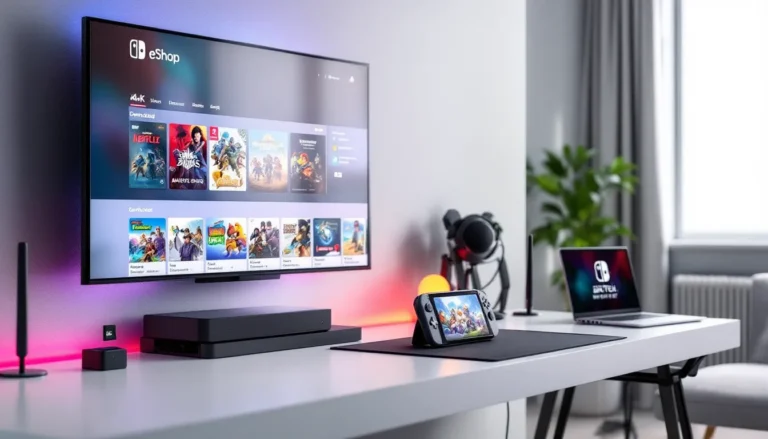
For Switch players, Little Kitty Big City fills a nice niche. It’s not a massive AAA release, but it’s a polished, heartfelt indie title that respects your time while offering genuine surprises. The game runs natively on Switch hardware without any stripped-down compromises, making it a solid choice whether you’re docked to your TV or playing handheld during a commute.
Gameplay Mechanics And Features
Exploration And Open-World Design
Expiration is at the heart of Little Kitty Big City. The game world isn’t massive, but it’s densely packed with interactive elements and hidden areas. You can move freely through multiple districts, each with its own personality and set of characters. Rather than a strict quest log, the game encourages organic discovery, stumble into an area, talk to someone, and they might give you a task or hint that leads somewhere unexpected.
The level design rewards curiosity. Rooftops, alleyways, indoor spaces, and rooftop shortcuts create a three-dimensional playground. You’re not locked into following a single path: if a route seems blocked, there’s often an alternative way around. This freedom means replaying areas feels fresh, you’ll catch details and shortcuts you missed the first time. The city feels alive because NPCs have routines and appear in different locations at different times.
Puzzle Solving And Mini-Games
Puzzles in Little Kitty Big City range from simple environmental challenges to more involved logic problems. You might need to push objects into specific positions, manipulate switches in sequence, or figure out how to reach a high shelf using available furniture and platforms. None of them are brutally difficult, but they require observation and sometimes a bit of lateral thinking.
Mini-games are scattered throughout and add variety to the pacing. These aren’t tacked-on distractions, they’re tied to character quests and often unlock cosmetics or progress story beats. You’ll find everything from simple timing challenges to puzzle mechanics that subtly teach you how to interact with the world. If you’re stuck, the game’s forgiving design means you can usually brute-force solutions or move on to something else.
Character Customization Options
You can customize your cat’s appearance with a decent variety of cosmetics. Unlockable outfits, hats, and accessories range from humorous (like pizza costumes) to adorable (little sweaters and bows). These are earned through gameplay, completing side quests, finding collectibles, and achieving certain milestones reward you with new cosmetic options. It’s a light progression system that gives you something to aim for without feeling grindy.
Nintendo Switch Performance And Technical Aspects
Graphics And Art Style
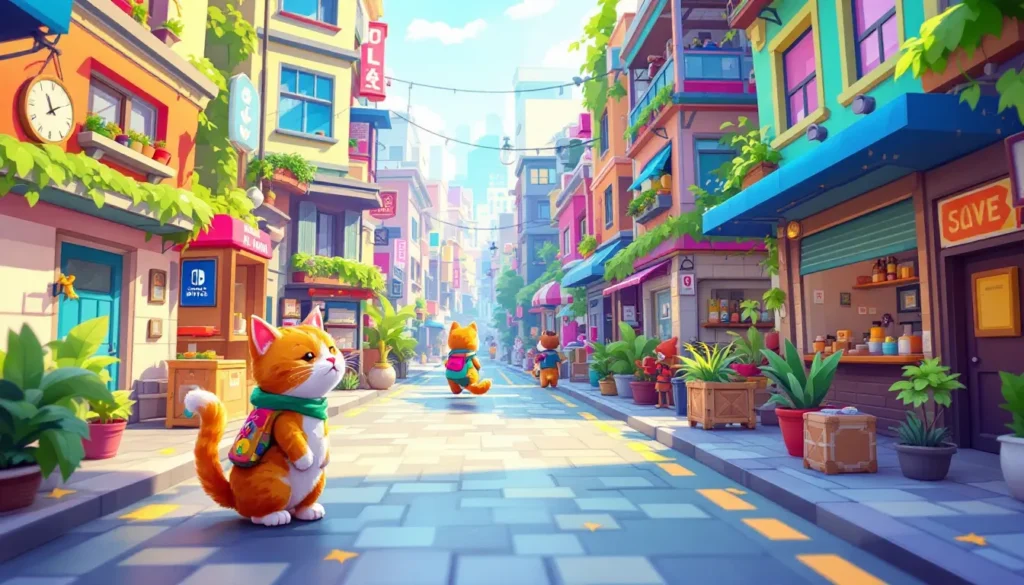
Little Kitty Big City uses a colorful, low-poly art style that’s immediately charming. The city is vibrant, characters have personality, and animations are expressive without being overly detailed. This aesthetic approach means the game runs smoothly on Switch hardware without sacrificing visual appeal. The art direction compensates for technical limitations by focusing on style and charm rather than photorealism.
The visual design is consistent in both docked and handheld modes. UI elements are readable on the Switch’s screen, text is legible, and character expressions come across clearly even at smaller sizes. Weather effects, lighting changes, and environmental details add atmosphere without creating performance dips.
Frame Rate And Load Times
Little Kitty Big City targets a stable 30 FPS on Nintendo Switch, which is perfectly adequate for the game’s pace. This is an exploration adventure, not a fast-paced action title, so the frame rate never becomes an issue during gameplay. The game maintains consistent performance across both docked and handheld modes.
Load times are minimal. Transitioning between areas or restarting from checkpoints is quick, typically just a few seconds. There’s no excessive loading that interrupts flow, which matters for a game built around exploration and discovery. You won’t be staring at loading screens for extended periods.
Docked Vs. Handheld Mode Experience
Both modes work excellently. In docked mode on a TV, the visual style really shines, and the larger screen gives you better perspective on puzzle layouts. Handheld mode is equally competent: the game scales well to the Switch’s screen size, and the lack of split second timing requirements means portable play feels just as complete.
If anything, handheld is where this game excels for many players. It’s a relaxing, exploration-focused experience that doesn’t demand constant attention. You can pause, pick it up later, and there’s no pressure or time limits. This makes it ideal for playing in short bursts, which is exactly what handheld gaming is designed for. The game respects your time regardless of how you’re playing.
Tips And Strategies For New Players
Essential Early-Game Tips
When you first start, take your time exploring rather than rushing through quests. Talk to every NPC you encounter, even throwaway dialogue often contains hints about puzzles or hidden areas. Write down character names and what they mention if you want to keep track of side quests.
Don’t ignore the environment. Objects you can interact with are usually highlighted visually or have subtle audio cues. If something looks suspicious (a shelf, a cardboard box, a loose tile), try interacting with it. Knock things off shelves, sometimes that’s the solution to a puzzle.
When stuck, move on. The game is forgiving enough that you don’t need to solve every puzzle before progressing. Stuck on a puzzle? Explore elsewhere and come back later. You might stumble upon a clue in another area that makes the solution click.
How To Unlock Secret Areas
Secret areas are typically accessed through environmental clues or NPC hints. Pay attention to what characters mention, if someone says “I wonder if anyone could reach that rooftop,” that’s a breadcrumb. Look for accessible rooftops, precarious ledges, and alternative pathways.
Some areas require specific items or cosmetics to access. Knocking objects around sometimes reveals hidden passages. If you find yourself in a dead end, check whether there’s a way up, the game loves using vertical space. Backtrack to earlier areas once you’ve gained new abilities or items: there are often secrets that require multiple visits to unlock.
Collectibles And Completion Guide
Collectibles include character figurines, photo opportunities, and miscellaneous items hidden throughout the world. Most aren’t required to progress the story, but hunting them provides extra content and cosmetics.
A systematic approach works best: explore each district thoroughly, check high and low, and talk to NPCs to learn what items are available. Many collectibles are tied to character quests, help someone, and they might reward you with an item or unlock a new area. Take photos of specific objects or vistas when prompted: these photo challenges are sprinkled throughout and often lead you to interesting locations.
The game does a decent job of nudging you toward important collectibles without spoiling their locations. If you’re aiming for 100% completion, patience and thorough exploration are your best tools. Expect 20-30 extra hours if you’re going for everything versus just finishing the main story.
Story And Characters
Main Plot Overview
The story begins when your cat arrives in a new city. You’re separated from your owner and need to navigate this urban environment while gradually uncovering what happened. The narrative unfolds through NPC interactions, environmental storytelling, and a series of interconnected character arcs rather than cutscenes.
Without spoiling details, the plot deals with themes of belonging, friendship, and finding home in unexpected places. It’s deliberately lighthearted and heartfelt, there are genuine emotional beats, but the game never feels heavy-handed. The story doesn’t demand extensive investment, which makes it accessible to younger players and those seeking relaxation. That said, there’s genuine substance here if you pay attention.
The pacing lets you set the tempo. You can rush through main beats or take time exploring side quests and character relationships. Either way works, the game doesn’t have time pressure or a “right” way to experience things.
Notable NPCs And Side Characters
Each NPC has personality and history. There’s a musician, a cranky vendor, a lonely robot, and various other characters that feel genuinely written rather than generic quest-givers. Their dialogue is often witty or touching, and following their side quests reveals more about who they are and what they’re dealing with.
The cast creates a sense of community. You’ll recognize characters by their appearance and voice, remember their problems, and want to help them succeed. Some side quests lead to surprisingly touching resolutions. This is partly what makes the Nintendo Switch cat game experience so engaging, the cast feels real, even in a whimsical setting.
How Little Kitty Big City Compares To Other Switch Games
Similar Adventure Titles
If you’ve played games like Spiritfarer, A Short Hike, or Night in the Woods, Little Kitty Big City will feel familiar in scope and tone. These are all indie adventures that prioritize exploration, character interaction, and emotional resonance over combat or complexity. They’re designed to be completed in 10-20 hours, feature charming art styles, and make you care about the world and its inhabitants.
Comparisons to Stray (the recent indie cat adventure) come up often, though they’re quite different. Stray emphasizes storytelling and platforming in a dystopian world: Little Kitty Big City is lighter and more about everyday urban exploration. If you enjoyed Stray but want something less melancholic and more relaxed, this hits the mark.
Recent reviews aggregated on Metacritic show strong critical reception. The game has earned consistent praise for its charm, puzzle design, and respectable technical implementation on Switch. It’s not a genre-defining masterpiece, but it’s a solidly enjoyable experience that does what it sets out to do.
What Makes It Unique
The main differentiator is the cat protagonist and the everyday urban setting. Most adventure games on Switch use fantasy or sci-fi backdrops: this one uses a relatable city with grocery stores, parks, and apartment buildings. The humor benefits from this grounding, jokes about cats knocking things over or being curious about human behavior land because they’re rooted in real cat behavior.
The puzzle-solving avoids the hand-holding of some adventure games while remaining accessible. There are no inventory management headaches or obtuse logic puzzles that require a walkthrough. This balance is harder to achieve than it sounds, and Little Kitty Big City nails it. You’re challenged without being frustrated, guided without being railroaded. Gaming guides from GamesRadar+ cover similar Switch titles, but Little Kitty Big City’s specific blend of mechanics and charm sets it apart.
Multiplayer And Social Features
Little Kitty Big City is a single-player only experience, there’s no multiplayer, online features, or competitive modes. This isn’t a limitation: it’s by design. The game is built around personal exploration and discovery, which works best when you’re playing alone.
Social features are minimal. There’s no way to share your progress directly within the game, though you can take screenshots and post them on social media if you want to show off your cat’s outfit or a funny moment. The game respects your privacy and focuses on the experience rather than engagement metrics or social pressure.
This single-player focus makes it a genuine escape from the always-online, always-social nature of modern gaming. There’s no FOMO, no seasonal content that disappears, and no pressure to keep up with other players. You play at your own pace, and the game is complete as-is.
Pricing, Availability, And Where To Buy
Little Kitty Big City is available exclusively on Nintendo Switch (both standard Switch and OLED models). As of 2026, the game is still being developed and updated by Double Dab Games, though the base experience is feature-complete.
Pricing sits at $19.99 USD, which is reasonable for the amount of content. You’re looking at 12-15 hours for a casual playthrough and 25-30 hours if you’re hunting collectibles and completing every side quest. That breaks down to roughly $1.30-1.66 per hour of entertainment, which is solid value compared to most Switch titles.
You can purchase it digitally through the Nintendo eShop directly on your Switch or through the web store. Physical copies are available through standard retailers if you prefer owning the cartridge. Digital pricing occasionally drops during Nintendo sales events, though it’s not a frequent occurrence. Game Rant often covers sales and discounts for indie titles if you want to catch price drops.
The game is not available on PlayStation, Xbox, or PC, it’s a Switch exclusive. If you’re looking to play it, you’ll need Switch hardware.
Final Verdict: Is Little Kitty Big City Worth Playing?
Little Kitty Big City is worth playing if you enjoy exploration-focused adventures, charming writing, and puzzle-solving that doesn’t demand intense concentration. It’s perfect for anyone who wants a relaxing game they can complete without grinding, trophy hunting, or competitive pressure.
You should probably skip it if you demand cutting-edge graphics, fast-paced action, or complex mechanics. This is a chill, low-stakes experience, and if that doesn’t appeal to you, no amount of charm will change that.
For most Switch owners, though, it’s an easy recommend. It’s a genuinely good game made with care by a small team. The fact that it runs well on Switch hardware, respects your time, and delivers consistent entertainment across 15-30 hours makes it one of the better indie purchases available. At $19.99, you’re getting a complete, polished experience that doesn’t nickel-and-dime you with DLC or battle passes.
If you enjoyed other indie adventures like A Short Hike or Night in the Woods, Little Kitty Big City is a natural next step. If you’re new to that genre but like games that let you explore at your own pace and connect with characters, this is a fantastic entry point. The worst that happens is you discover it’s not for you after a couple hours, but you’re likely to fall in love with the world and characters, and want to see everything it has to offer.
Conclusion
Little Kitty Big City stands out in the Nintendo Switch library as a reminder that great games don’t need massive budgets or cutting-edge technology. They just need heart, thoughtful design, and respect for the player’s time. Whether you’re a completionist hunting every collectible or someone who just wants a few hours of pleasant, pressure-free gaming, there’s something here for you.
The game captures what makes indie gaming special: focused vision, accessible gameplay, and genuine charm. In 2026, as the Switch continues to mature, titles like this prove that the console still has plenty of excellent experiences to offer. Pick it up, take your time exploring the city, and enjoy being a curious cat in a world full of surprises.