

Table of Contents
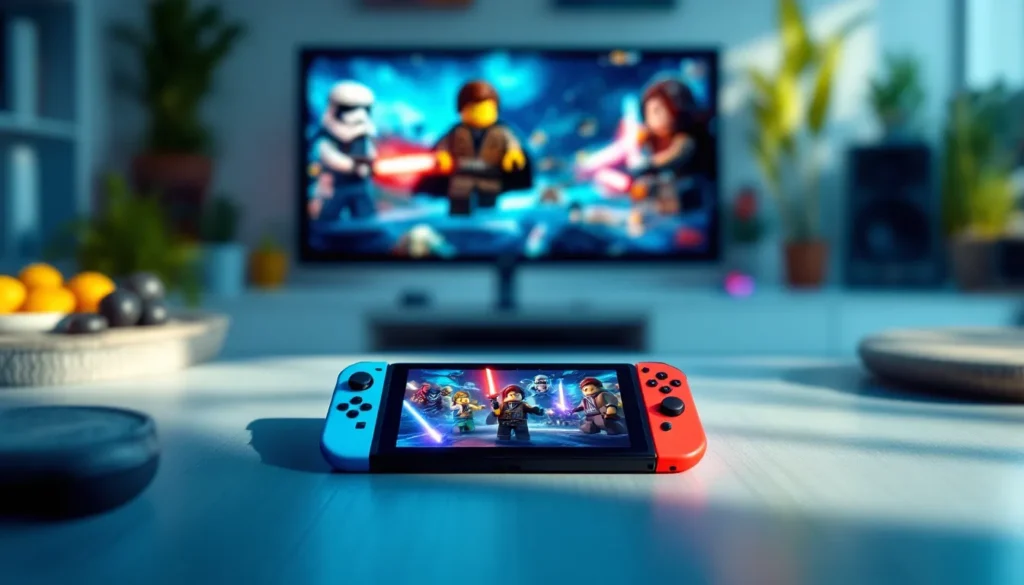
ToggleLego Star Wars on Nintendo Switch has become one of the platform’s most beloved franchises, blending the charm of brick-building gameplay with the iconic Star Wars universe. Whether you’re a casual fan looking to relive the original trilogy or a completionist chasing every hidden collectible, the Switch versions deliver accessible, entertaining experiences that work surprisingly well on portable hardware. In 2026, with multiple Lego Star Wars titles available and ongoing updates, there’s never been a better time to jump in, or a more confusing time to figure out which version is right for you. This guide covers everything from installation and basic controls to advanced strategies and multiplayer features, so you can make the most of your time in a galaxy far, far away.
Key Takeaways
- Lego Star Wars on Nintendo Switch offers accessible, family-friendly action-adventure gameplay with deep collectible systems and impressive replayability across multiple titles.
- Lego Star Wars: The Skywalker Saga is the most comprehensive option with 400+ playable characters and content from all nine films, while The Complete Saga provides a leaner, more focused experience.
- Character swapping between Jedi, Blasters, Heavy units, and Droids is essential to accessing hidden areas and solving environment-specific puzzles throughout levels.
- Local co-op is the multiplayer heart of Lego Star Wars on Switch, with drop-in/drop-out two-player gameplay that works smoothly in both handheld and docked modes.
- Technical performance delivers stable 30fps at 1080p docked (720p handheld) with brief load times, making it an excellent portable experience despite the Switch’s 2017 hardware.
What Is Lego Star Wars On Nintendo Switch?
Game Overview And Features
Lego Star Wars games are action-adventure titles that let you experience the Star Wars saga through the whimsical lens of Lego brick construction. These aren’t traditional strategy games, they’re physics-based, puzzle-heavy adventures where you smash objects, solve environmental challenges, and beat up legions of enemies (all made of Lego, so it stays family-friendly). The appeal lies in the humor, accessibility, and sheer amount of content packed into each title.
The core experience involves exploring levels, collecting studs (the in-game currency), unlocking characters, and discovering hidden areas. Free play mode lets you replay levels with different character combinations to access previously locked sections, creating a compelling 100% completion loop. The Lego games are notorious for this replayability, you’ll want to return to levels multiple times to find every secret and unlock every character.
Available Titles On The Platform
As of 2026, Nintendo Switch has access to several Lego Star Wars titles, each offering a distinct experience:
Lego Star Wars: The Skywalker Saga remains the flagship release, covering all nine mainline films plus content from The Mandalorian and other properties. It’s the most comprehensive and technically advanced entry, with improved graphics, massive roster of characters, and sprawling levels that can feel overwhelming at first.
Lego Star Wars: The Complete Saga is the older, more compact version based on the original six films. It’s leaner than Skywalker Saga but tighter in design, many players prefer its focused pacing. This is the go-to if you want a Lego Star Wars Skywalker Saga walkthrough for the classic trilogy without the modern bloat.
Lego Star Wars III: The Clone Wars focuses specifically on the Clone Wars animated series, offering a different tone and story arc. It’s excellent if you’re fans of that particular era.
Each title plays similarly but has distinct level design, character rosters, and progression systems. Your choice depends on which films or shows resonate with you most.
Getting Started: Beginner’s Guide To Lego Star Wars
Installation And Setup
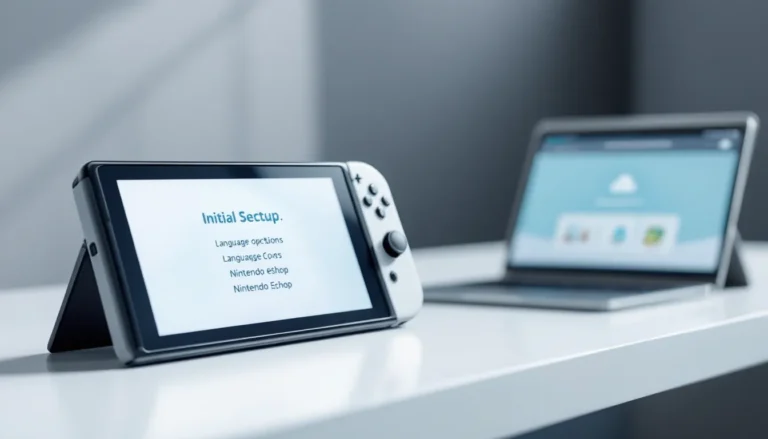
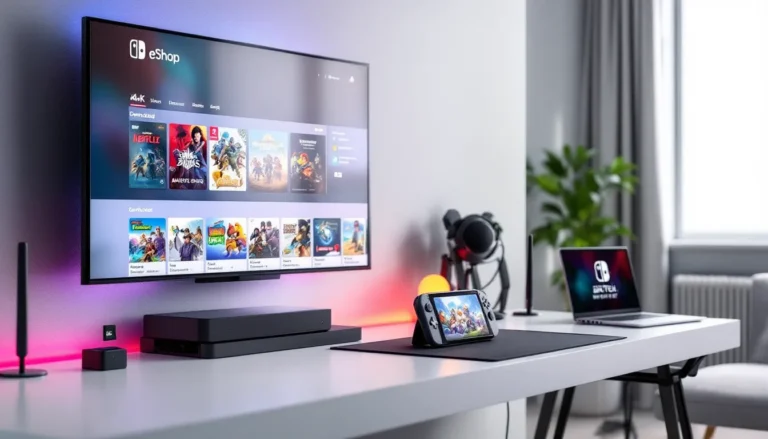
Installing Lego Star Wars on Switch is straightforward. If you’re buying digitally, head to the eShop, find your chosen title, and hit download. Expect 15-20GB of storage space per game, so make sure you have room on your microSD card. Physical cartridges work just as well and take up no digital storage, though they require a cartridge slot (obviously). If you’re picking up a used copy or considering a new console, remember that the Switch’s 32GB internal storage fills up fast, a 256GB microSD is practically mandatory for any serious gamer.
Once installed, fire up the game and you’ll be greeted with a splash screen and some initial setup. Most Lego games let you jump straight into a level or skip through opening cinematics, which is handy if you’ve played before. Performance on Switch is generally solid, though we’ll dig into that more later.
Basic Controls And Navigation
Lego Star Wars uses a simple control scheme that feels intuitive after the first 10 minutes. Your primary actions are:
Attack (Y button): Your bread-and-butter move. Mash it to string together combos.
Jump (X button): Standard platforming, plus air combos if you hit attack mid-air.
Interact/Use (A button): Pick up objects, solve puzzles, break things apart.
Switch Character (D-pad left/right or trigger buttons): Cycle through your team to access different abilities. This is critical, some characters have unique powers (like Yoda’s Force push or lightsaber users’ saber throws), and you’ll need to swap constantly.
Block (L button): Hold to defend, reducing incoming damage.
The menus are designed for accessibility. Navigating them is simple, D-pad to move, A to confirm. Once you’ve grasped these basics, the game’s tutorial missions walk you through everything else. Don’t skip them: they introduce level-specific mechanics you’ll encounter constantly.
One heads-up: if you’re playing handheld mode, the Joy-Con sticks are smaller than a traditional controller. Some players find this affects precision during tight platforming sections, so docked mode or a Pro Controller might be worth it if you plan extended sessions.
Advanced Gameplay Tips And Strategies
Combat Mechanics And Character Abilities
Once you’ve mastered the basics, combat depth emerges. Each character class has distinct advantages:
Jedi/Sith (Obi-Wan, Yoda, Kylo Ren, etc.) wield lightsabers with solid reach and can use Force abilities. Force users are essential for moving objects and accessing hidden areas. Their lightsaber throws are great for hitting distant switches.
Blasters (Han Solo, Leia, Finn) deal rapid-fire damage and can hit silver Lego objects that others can’t dent. They’re your damage-per-second specialists.
Heavy Characters (Chewbacca, Jango Fett) break reinforced objects and have high health pools. These units are slow but tanky.
Protocol Droids (C-3PO, protocol officers) interact with droid panels to unlock doors and operate machinery.
Astromechs (R2-D2, BB-8) hack electronic locks and access tight spaces.
The meta strategy is simple: have a balanced team. Mix offense (Jedi for Force, Blasters for DPS) with utility (Droids for hacking, Heavy for breaking). Level design often forces you to swap characters anyway, but deliberate team composition matters for speedier clears.
Combo systems reward mashing attack buttons, you’ll build momentum as you land consecutive hits. Time your blocks to counterattack for brief invulnerability windows, though Lego games are forgiving enough that blocking isn’t mandatory for casual play.
Power-ups occasionally drop during combat: shields boost defense, invincibility frames make you momentarily untouchable, and stud multipliers increase currency gains. Grab them when possible.
Collectibles, Unlocks, And Completion
The true draw of Lego Star Wars is the collectible hunt. Each level contains:
Gold Bricks (rewarded for completing level objectives and challenges)
Character Tokens (unlock new playable characters, often hidden in specific levels)
Red Bricks (unlock helpful cheats like stud multipliers or invincibility)
Minikits (collect all in a level for bonus rewards)
Minikit Canisters (piece together Minikits into physical rewards)
Free play mode is essential for 100% completion. You’ll tackle each level at least twice: first in story mode, then again in free play with a roster of unlocked characters. Story mode limits you to the campaign characters: free play lets you bring any unlocked character, which is how you access previously inaccessible areas.
Some collectibles require specific character classes. That silver Lego wall? Blasters only. The Force-locked door? Jedi/Sith only. The droid panel? Protocol droids only. This design is intentional, it forces replayability and character variety. By your second playthrough, you’ll have the roster to tackle everything.
Pro tip: grab a Lego Star Wars Skywalker Saga walkthrough from established gaming outlets if you’re stuck. The puzzle logic is usually straightforward, but some hidden areas are genuinely obscure. No shame in referencing a guide, these games have hundreds of secrets.
Multiplayer And Co-Op Gameplay
Local Co-Op Features
Local co-op is the heartbeat of the Lego experience. Two players can team up on a single console, sharing a split screen during levels. This works beautifully for casual play and couples or friends gaming together. The split is vertical on most levels, one player occupies the left side, the other the right. If you stray too far apart, the screen pans to keep both in frame, though some levels have wider areas where separation matters.
Co-op is drop-in/drop-out, meaning your friend can grab a controller and join mid-level without restart. Perfect for interruptions. Performance remains stable in co-op on Switch, though expect a minor frame rate dip in handheld mode compared to docked play. Overall, it’s a smooth, enjoyable experience.
Character swapping in co-op requires communication, one player typically handles Force abilities while the other focuses on blasters and platforming. There’s no competitive element: you’re always working toward the same goal. This makes Lego games ideal for gaming with non-gamers or younger siblings. The difficulty is genuinely flexible: you can adjust it pre-match or even mid-level on most titles.
Online Multiplayer Options
Online co-op is not available in most Lego Star Wars Switch titles. This is a notable limitation compared to other platforms. Local co-op is the intended multiplayer experience, and for many players, that’s perfectly fine, it’s where the franchise shines. If online multiplayer is essential to you, consider PC or console versions.
Some titles may have leaderboards for timed challenges, but meaningful online matchmaking isn’t a feature. Plan your social gaming around local co-op, and you’ll have a blast. The game’s pacing and design are genuinely optimized for couch co-op anyway.
Technical Performance And Graphics
Frame Rate, Resolution, And Visual Quality
Lego Star Wars: The Skywalker Saga targets 1080p docked and 720p handheld, running at 30 frames per second. This is the standard for most Switch titles and feels smooth once you adjust expectations. The graphics are colorful and detailed, Lego bricks pop with personality, and character models are expressive. It’s not pushing the hardware to its limits, but it doesn’t need to: the art style prioritizes readability and charm over raw polygon count.
Compare this to other Switch ports: you’re getting similar performance to games like Skyrim or The Witcher 3, which is respectable for hardware from 2017. Load times are brief (5-10 seconds between levels), so there’s no tedious waiting.
Visual quality degrades slightly in handheld mode, textures are less detailed, draw distance decreases, and lighting effects are simplified. On a handheld screen, these differences are barely noticeable. If you’re particularly sensitive to graphical fidelity, docked mode is preferable, but portability is the Switch’s killer feature. Being able to play Lego Star Wars anywhere worth more than 10% better graphics to most players.
As for lighting and effects, the games use screen-space reflections and bloom lighting to create atmosphere, especially during dark space levels or Dagobah’s murky swamps. It works without feeling cheap.
Performance In Handheld Vs. Docked Mode
Docked mode is the optimal experience. Connected to a TV with a Pro Controller, you get full 1080p, stable 30fps, and the screen real estate to appreciate the visuals. This is where you should tackle challenging boss fights or speedrun attempts.
Handheld mode is the wild card. The smaller screen hides performance issues, making the experience feel snappier even if frame rates dip slightly during intense scenes. Battery drain is moderate, expect 4-5 hours of playtime on a full charge, depending on screen brightness. For long train rides or plane trips, this is your lifeline.
Frame pacing is consistent in both modes. There’s no stuttering or frame drops that break immersion. Split-screen co-op runs at the same frame rate as single-player, which is impressive for Switch hardware.
One caveat: some players report occasional audio bugs where dialogue cuts out briefly. These are rare and non-game-breaking, but they exist. If you’re sensitive to audio inconsistencies, stay updated on patches, the developers generally address these issues post-launch.
For competitive or speedrun enthusiasts, docked mode with a Pro Controller is non-negotiable. The faster response time and full visual information matter at high-level play.
Best Lego Star Wars Titles For Nintendo Switch In 2026
Choosing between Lego Star Wars titles comes down to your preferences and time investment.
Lego Star Wars: The Skywalker Saga is the obvious recommendation for most players. It’s the most comprehensive, covering all nine films plus supplementary content. The level design is polished, the character roster is massive (400+ characters), and the production quality is AAA. If you’ve got the storage space and want the “complete” experience, this is it. According to Metacritic, it holds solid review scores across platforms, and Switch versions are no exception.
Lego Star Wars: The Complete Saga is excellent if you want a leaner experience or are nostalgic for the original trilogy. It’s smaller in scope, shorter to complete, and some players argue the level design is tighter. It’s also cheaper, which matters if you’re budget-conscious. This is the better choice if you’re introducing someone new to Lego games: the reduced scope is less overwhelming.
Lego Star Wars III: The Clone Wars is the specialist choice. If Clone Wars is your favorite Star Wars content, this delivers. The level design is distinct, and the story focuses on characters often sidelined in the mainline saga. It’s worth playing after finishing another title, not as a starting point.
For maximum value and variety, grab Skywalker Saga first. If you burn through it and crave more, The Complete Saga provides hundreds of additional hours. The older titles are also frequently discounted, especially during sales like the ones featured in Black Friday Nintendo Switch Lite promotions or monthly eShop deals.
Conclusion
Lego Star Wars on Nintendo Switch represents some of the best value gaming you can find in 2026. The franchise’s formula, accessible gameplay, deep collectible systems, excellent local co-op, and genuine humor, translates perfectly to a portable console. Whether you’re a longtime fan or newcomer, you’ll find hundreds of hours of content that respects your time and rewards your effort.
Start with The Skywalker Saga if you want the definitive experience or The Complete Saga if you prefer something focused and shorter. Grab a Pro Controller, invite a friend for couch co-op, and settle in for the long haul. The games won’t push your Switch hardware, but they’ll remind you why Lego adaptations remain one of gaming’s most reliable pleasures. May the studs be with you.