






Table of Contents
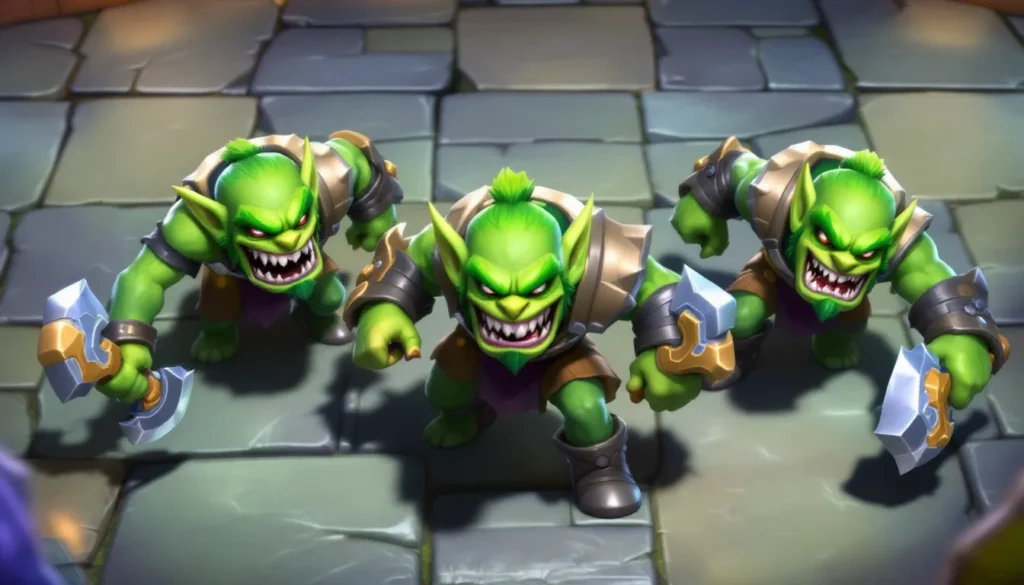
ToggleWhen you’re climbing the trophy ladder in Clash Royale, you’ll eventually face a player who summons three of the most annoying little creatures in the game: goblins. These tiny green menaces might look harmless at first, but they pack a surprising punch and demand respect. Understanding how goblins work, whether you’re playing them or defending against them, can be the difference between a trophy push and a frustrating losing streak. This guide breaks down everything you need to know about the goblin from clash royale, from base stats to advanced deck synergies that can help you dominate mid-ladder and beyond.
Key Takeaways
- The goblin from Clash Royale is a 2-elixir Common card that deploys three independent units, excelling at generating value through high damage output and efficient elixir trades on both offense and defense.
- Goblins are most effective in spell-bait and swarm decks where they force opponents to waste spells, but struggle against splash damage units like Valkyrie, Arrows, and Log that can eliminate all three instantly.
- Smart goblin placement—such as slightly behind your tower line for defense or with a tank in front for offense—is crucial for preventing instant deletion and maximizing their threat potential.
- Pairing goblins with a primary win condition like Hog Rider or Goblin Giant creates balanced decks that prevent opponents from easily countering all threats simultaneously.
- Maintaining strong elixir management and cycling quickly with cheap goblin plays allows you to build pressure over time and exploit opponent mistakes, making them invaluable for trophy climbing from mid-ladder to 5000+ trophies.
- Goblins remain meta-relevant in modern Clash Royale despite shifts toward tanky units and heavy spell decks, proving their lasting value as secondary support units in diverse competitive and ladder strategies.
What Is the Goblin? Card Overview and Statistics
Base Stats and Progression
The Goblin is a 2-elixir Common unit that deploys three individual goblins onto the arena. Each goblin operates independently, making them exceptionally flexible for both offense and defense. At their core, goblins are fast, cheap, and hit hard, the holy trinity of aggressive card design.
Here’s what you’re working with at tournament standard (level 9):
- Hitpoints: 50 each (150 total for the trio)
- Damage: 42 per swing
- Damage per second (DPS): 38
- Attack speed: 1.1 seconds
- Target: Ground troops
- Speed: Fast (2.0 tiles/sec)
As you level goblins higher, the damage scales significantly. At level 13, each goblin deals 56 damage per hit, which means a full goblin trio will shred low-health units and chip away at medium-health tanks remarkably fast. The key to understanding goblin value is recognizing they offer three separate targets. A single fireball won’t clear all three, you need an area damage spell or multiple hits to deal with them completely.
One critical detail: goblins won’t retarget mid-swing. If a goblin commits to hitting the arena tower, it’ll finish that swing before switching targets. This matters when you’re trying to kite them or when defending against them near a building.
Card Rarity and Availability
Being a Common card, goblins are ridiculously easy to obtain. You’ll find them in chests, from tournament rewards, and in the shop multiple times a season. Most players have access to them at a reasonable level by the time they hit 2000 trophies. This accessibility is one reason goblins remain a staple at mid-ladder, everyone has them, and they work at nearly every card level.
Unlike Legendary or Epic cards that require serious commitment to level, investing in goblins feels natural and rewarding. You can upgrade them steadily through gold and donations, making them an excellent long-term card investment if you plan to use them in decks.
Strengths and Weaknesses
Why Goblins Excel in Defensive Situations
Goblins are deceptively powerful on defense. Their cheap cost (2 elixir) means you can afford them while dealing with incoming threats. Drop them behind a tank push, and they’ll shred the supporting troops before turning their attention to the main threat. A single card summoning three attackers naturally overwhelms single-target units like the Knight or Mini P.E.K.K.A.
Their speed is another defensive asset. Goblins move quickly enough to intercept swarms and split-lane pushes. Against bait decks or chip damage strategies, goblins can punish opponents who overcommit to one lane. The trick is timing, place them slightly behind your tower line so they can respond to either lane without walking into spell range.
When paired with buildings like the Inferno Tower or Tornado, goblins become even more formidable. They’ll kite enemies while your building handles the bulk damage. Most crucially, goblins don’t require expensive support to defend. A 2-elixir card doing defensive work worth 5+ elixir is efficient, and efficiency is the foundation of good Clash Royale play.
Common Counters and Vulnerabilities
Here’s the problem: every card has a hard counter, and goblins have several. Splash damage is their worst nightmare. A Firecracker, Ice Wizard, or Valkyrie can clear all three goblins instantly or in a single swing. Area damage spells like Arrows, Log, or Zap delete them before they even swing their swords. If you’re running goblins, you absolutely must respect how much the opponent’s deck can counter them.
Large area damage units like P.E.K.K.A. or Mega Knight also stomp goblins into the ground. They’re too tanky for the goblins to kill before absorbing massive damage. Similarly, flying units that goblins can’t target (like Baby Dragon or Inferno Dragon) completely bypass them defensively, you’ll need other cards to deal with them.
Another vulnerability is how predictable they can be. Experienced players know where you’ll place goblins and adjust their troop placement accordingly. If your entire strategy revolves around goblin spam, opponents will build their deck specifically to counter you. This is why goblins work best as support units in diverse decks rather than as your sole win condition.
Best Deck Archetypes Featuring Goblins
Bait Decks and Spell-Resistant Synergies
Goblins are legendary in bait decks, archetypes designed to trick opponents into wasting spells on cheap units, then punishing them with expensive threats. The idea is simple: your opponent logs your goblins, their log is gone, and now they can’t log your Goblin Barrel or Hog Rider when you need to push.
Classic Goblin Bait typically includes:
- Goblins (main bait card)
- Goblin Barrel (secondary bait)
- Firecracker or Spear Goblins (additional bait pressure)
- Hog Rider (win condition that benefits from logs being used)
- Building (usually Inferno Tower or Tesla for defense)
- Spells for cycling and removal
The synergy here is elegant: every card either baits spells or capitalizes on spell rotation. When your opponent is afraid to use their log because they’ve seen Goblin Barrel in your hand, your Goblins suddenly become much more dangerous. Bait decks reward timing and card knowledge, you need to understand your opponent’s elixir cycle and when they’re vulnerable.
Another powerful synergy is pairing goblins with cards that benefit from surviving. The Archer Queen, for example, can safely attack behind a goblin screen. Or use goblins to tank small pings while your main troops deal damage from behind. In decks with Goblin Giant, regular goblins can cycle and defend while the giant handles tanking duties on offense.
Swarm and Chip Damage Builds
Swarm decks stack cheap units to overwhelm opponents through sheer unit density. Goblins fit perfectly here because they’re cheap, reasonably durable, and deal respectable damage. Combined with cards like Minion Horde, Skeleton Army, or Bats, you create a nightmare scenario: even if the opponent has one area damage spell, they can’t clear everything.
Think of the classic “Goblin Swarm” archetype:
- Goblins + Minion Horde (cheap swarm core)
- Skeletons or Bats (additional cheap units)
- Heal Spell or Mirror (magnifies unit efficiency)
- Tornado (defensive utility and offensive push support)
- Spear Goblins (ranged alternative for higher damage output)
The beauty of swarm decks is they’re incredibly fun to play, especially when you catch unprepared opponents. But, they struggle against heavy splash damage decks. One Witch, one Bomber, one Executioner, and your entire push dissolves. This is where card knowledge and matchup understanding become crucial. Know when to push and when to defend: don’t get greedy.
Chip damage builds use goblins differently: as a constant pressure source rather than an all-in push. Cycle goblins to the bridge, let them chip the tower for 200-300 damage, then use your elixir to defend. Over a 3-minute match, chip damage accumulates. This strategy requires excellent elixir management and discipline, don’t overcommit to goblins when defending becomes critical.
Mid-Ladder Friendly Goblin Combinations
Mid-ladder (1000-3000 trophies) is where goblins absolutely thrive. At this range, the meta is less refined, and goblins’ efficiency becomes evident. Here are some beginner-to-intermediate friendly goblin decks:
Goblin + Hog Rider: A timeless combination. Hog Rider is arguably the strongest win condition in the game, and goblins provide defensive support while cycling back to it quickly. Add Musketeer for ranged defense, Inferno Tower for tank removal, and you’ve got a solid, straightforward deck.
Goblin + Giant: Goblins shield a Giant push on offense. Behind a big tank, three goblins become incredibly threatening. On defense, goblins handle chip damage while your Giant cycles back. Pair with Spear Goblins for ranged support and you’re cooking.
Goblin + Goblin Barrel: The classic spell-baiting strategy. Goblins soften targets or tank damage while you cycle toward Goblin Barrel. Add Ice Spirit for kiting, Fireball for medium-unit control, and a building for defense. This deck rewards prediction and understanding opponent habits.
The beauty of mid-ladder is that card underleveling is rampant, so efficient cards like goblins shine brighter. Upgrade them slightly ahead of your other cards, and you’ll see results climb faster than you’d expect.
Offensive and Defensive Strategies
Pushing Goblins for Bridge Chip Damage
Chip damage pushes with goblins require patience and timing. The strategy is straightforward: cycle goblins to the bridge, let them swing at the tower a few times, then defend their counters. Over multiple cycles, this adds up.
Placement matters enormously. If you push goblins to the bridge without support, a single splash damage card deletes them. Instead, push them with a tank in front (Hog Rider, Knight, or even Skeleton King) so your opponent must choose: address the tank or the goblins? Ideally, they can’t handle both efficiently.
Timing your goblin push depends on your opponent’s elixir. If they just spent 8 elixir on a Golem, they can’t easily defend a 3-elixir push (2 goblins + 1 for kiting support). Watch their card cycle. When you see them throw down an expensive card, that’s your window to pressure.
Another aggressive strategy: double lane pressure. Push goblins in one lane, force your opponent to defend, then shift your main win condition elsewhere. This splits their defense and creates opportunities. It’s a higher-risk play, but properly executed, it wins games decisively.
Goblin Placement for Maximum Defense
Defensive goblin placement is where skill separates mid-ladder players from ladder climbers. The position of your goblins determines whether they can kite, split damage, or get immediately deleted.
For single-lane pushes: Place goblins at the bridge on the opposite lane or slightly behind your tower. They’ll move toward the threat quickly while spreading out. This prevents splash damage units from deleting all three instantly.
For split-lane pushes: Deploy goblins in the center of the arena or slightly to the lane with less pressure. Their speed means they respond quickly to either threat. Center placement is risky because Fireball or Tornado can catch them, but sometimes it’s the optimal choice.
Against fast threats (Bandit, Hog Rider, Miner): Place goblins directly in their path at tower range. They’ll lock onto the threat before it reaches your tower. Add a building (Inferno Tower, Tesla) behind them for additional support. Goblins alone won’t kill these units, but goblins + building is nearly impossible to break through.
Against air threats: Goblins can’t target air, so don’t waste them defensively against Baby Dragon or Inferno Dragon. Instead, position them to defend against ground follow-up troops. This teaches an important lesson: know your card matchups and don’t make unnecessary plays.
One advanced technique: intentional over-placement. Place goblins in front of your tower knowing they’ll tank damage while your building murders the threat. It’s elixir-efficient and forces your opponent to make suboptimal decisions.
Cycling and Elixir Management Tips
Cycling refers to how quickly you can play your lowest-cost cards repeatedly. Goblins at 2 elixir are excellent cyclers. If you play goblins, defend successfully, and then play them again, you’ve created a consistent pressure that opponents struggle to manage.
Here’s the cycle math: If you have a 2-elixir deck with goblins, skeletons, and spirit, you can cycle through your whole hand incredibly fast. You might play goblins once every 15-20 seconds. Opponents with heavy decks (average elixir cost 4+) can’t match this pressure. They’ll run out of resources or commit too hard to one push.
Elixir advantage is everything in Clash Royale. Always ask: “Did I win or lose the trade?” If you spend 4 elixir defending an 8-elixir push successfully, you gained a 4-elixir advantage. Goblins excel at positive trades because they’re cheap. A 2-elixir goblin push defended with a 3-elixir building might lose the immediate trade but gain it back through cycling advantage.
Management tips:
- Don’t leak elixir. If you’re above 9 elixir, play something. Wasting elixir capacity is like throwing away gold.
- Know your deck’s average elixir cost. If it’s 3.0, you cycle fast. If it’s 4.5, you’re slower and must be more defensive.
- Count your opponent’s elixir. After they play a card, mentally note how much elixir they have. When they’re low, take initiative. When they’re high, be cautious.
- Cycle your win condition. Always play the card you’re going to attack with before using spells. If you use Fireball defensively, ensure you can still push with Hog Rider next rotation.
Goblins specifically help cycling because they’re so cheap. A well-timed goblin placement cycles your hand back to your win condition faster than waiting for normal rotations.
Goblin Variants and Related Cards
Spear Goblins vs. Regular Goblins
The game offers two goblin variants, and they serve different purposes. Understanding when to use each is critical for deck building.
Regular Goblins (what we’ve primarily discussed) are melee units. They deal high damage per swing but require proximity to targets. They’re vulnerable to being kited or split away from your actual win condition. But, they hit harder and are better at finishing low-health targets.
Spear Goblins are ranged variants. They cost 3 elixir for a pair (not a trio like regular goblins) but attack from range. This means they avoid taking damage while defending and can slowly chip towers from safety. Their individual damage is lower than melee goblins, but they never trade health, they just deal damage from afar.
Deck-building logic:
- Use regular goblins if you want aggressive, bait-heavy gameplay. They’re cheaper and more efficient when allowed to freely attack.
- Use Spear Goblins if you want safe ranged pressure or need additional anti-air capability. They pair well with tanks that walk forward while the spear goblins poke from safety.
- Some decks run both, using regular goblins for quick cycling and bait while spear goblins provide consistent ranged pressure.
The trade-off is simple: regular goblins cost 2 elixir but die easily: spear goblins cost 3 but survive longer. Neither is objectively better, context determines which is superior.
Goblin Giant and Goblin Barrel Synergies
Goblin Giant is a rare card that epitomizes goblin-focused deckbuilding. This tanky unit summons two mini goblins as shields. When it takes damage, it spawns additional goblins at the destination. It’s essentially a goblin army commander, and its synergy with regular goblins is outstanding.
Goblin Giant + regular Goblins creates an overwhelming unit count. The giant tanks damage while goblins chip, and when the giant dies, it drops more goblins. Opponents can’t simultaneously deal with the giant and the supporting goblins, it’s mathematically impossible for single-target units.
Deck synergies with Goblin Giant:
- Pair with Goblins for reinforcement and cycling
- Include Spear Goblins for ranged support behind the giant
- Add a Mirror to clone the giant or supporting troops
- Use Healing Spell to keep the giant alive longer
Goblin Barrel is an Epic spell that throws three goblins in a barrel at a target location. It’s a classic spell-bait card because it requires a log or similar spell to clear efficiently. Goblins naturally synergize with it, opponents who log your regular goblins can’t log your barrel, and vice versa.
The beauty of Goblin Barrel is positioning. Throw it at the tower with minimal support, and it forces an immediate response. Smart placement (off to the side rather than directly at tower) makes it harder for opponents to clear with building-targeted spells.
Using goblin guides helps clarify these synergies in actual gameplay. The combination of Goblins, Goblin Giant, and Goblin Barrel creates a goblin-focused archetype that’s viable up to 5000 trophies with proper skill and card levels.
Meta Trends and Current Viability
Goblin Performance in Modern Ladder Play
As of March 2026, goblins remain relevant even though meta shifts away from pure swarm strategies. The current meta emphasizes tanky units, powerful spells, and building destruction. In this environment, goblins aren’t the primary carry anymore, but they’re excellent secondary units.
Ladder play (trophy progression) differs from competitive play. Ladder features diverse deck styles and varying card levels. Goblins thrive here because they’re forgiving on defense and punishing when opponents overcommit. You’ll face opponents who don’t respect goblin cycling and freely allow chip damage. At mid-ladder especially (1500-3000 trophies), goblin decks can win through sheer pressure and smart elixir management.
The shift toward more tanky metas actually helps goblins defensively. Cards like Skeleton King or Inferno Dragon require goblins + building combinations to kill, but those combinations are efficient. When opponents run tanky decks, they’re slower and you cycle faster, a natural advantage for goblin decks.
Challenges in the modern meta include ubiquitous splash damage and spell density. Many decks run multiple spells (Fireball, Log, Arrows) specifically to counter swarm threats. If you’re committed to goblins, you must build your deck to survive common counters. This might mean including Goblin Giant for durability or Tornado for defensive versatility.
One critical note: goblins haven’t received a major balance change since 2023. Supercell has kept them stable, suggesting they’re happy with their role. This stability means existing goblin decks remain reliable indefinitely.
Tournament and Competitive Viability
Tournament play (regulated environment with fixed card levels) shows goblins in a different light. Competitive decks require extreme precision and matchup knowledge. Goblins appear occasionally but rarely as primary carries. Instead, they’re support cards in specific archetypes.
You’ll see goblins in:
- Spell Bait decks at mid-tier tournaments
- Chip damage focused strategies that leverage cycling
- Goblin Giant beatdown in niche lineups
Top-level competitive play (Clash Royale League level) sees goblins less frequently than ladder. Competitive players counter-pick decks specifically to exploit perceived weaknesses. If you’re bringing a goblin-heavy deck, opponents will bring splash damage units designed to destroy it.
But, amateur tournaments and online qualifiers still feature viable goblin decks. The competitive ceiling for goblins is real but not as high as cards like Hog Rider or Mega Knight. If you love goblins and want to compete, you’re viable through about 6500 trophy equivalent, beyond that requires exceptional skill or a fresh meta shift.
Several clash royale strategy resources showcase how competitive players adapt goblins to current metas. Their insights prove goblins haven’t become irrelevant, they’ve simply shifted from primary win conditions to excellent support units.
Tips for Climbing Trophies with Goblin Decks
Deck Building Principles Around Goblins
Building a strong goblin deck requires balancing offense, defense, and cycling. Here are core principles:
Principle 1: Include a Primary Win Condition
Goblins are too easily countered to be your only offensive threat. Pair them with Hog Rider, Goblin Giant, Balloon, or another primary win condition. When opponents must choose between defending the main threat or the supporting goblins, they’ll prioritize the bigger threat, and that’s your opportunity.
Principle 2: Respect Your Counters
Every goblin deck should anticipate splash damage threats. Include building destruction (Hog Rider, Mini P.E.K.K.A.) or building denial (Earthquake, Tombstone) to handle cards that counter you. If your deck has no answer to Valkyrie, you’ve built poorly.
Principle 3: Maintain Elixir Efficiency
Goblins are cheap, but don’t build a deck so light that you lack flexibility. Average around 3.0-3.5 elixir cost. This balance allows cycling without sacrificing defensive power.
Principle 4: Include Defensive Buildings or Utility
Goblins alone won’t defend everything. Pair them with Inferno Tower for tank deletion, Tesla for swarm defense, or Tornado for kiting and support. Buildings extend your defensive range and ensure you’re not helplessly watching pushes walk through.
Example Competitive Goblin Deck:
- Win Condition: Hog Rider (4 elixir)
- Goblins (2 elixir)
- Spear Goblins (3 elixir)
- Inferno Tower (5 elixir)
- Fireball (4 elixir)
- Ice Spirit (1 elixir)
- Musketeer (4 elixir)
- Log (2 elixir)
- Average Elixir: 3.1
This deck cycles fast, defends well, and applies constant pressure. Goblins support pushes or defend independently. The deck wins through Hog Rider with proper cycling and tempo.
Common Mistakes and How to Avoid Them
Mistake 1: Pushing Goblins into Unknown Territory
Novice goblin players push goblins at the bridge with zero information about opponent’s hand. The opponent plays Valkyrie, and three goblins are instantly deleted. Solution: Push goblins when you know your opponent can’t counter them. Watch their elixir, know their likely cards, and push only when safe.
Mistake 2: Overcommitting to One Lane
If both your goblins and Hog Rider go to the same lane, a single Tornado or split push destroys your plan. Solution: Split pressure or stack defensively. Use goblins defensively in one lane while building up elixir for a main push in the other.
Mistake 3: Ignoring Elixir Trades
Wasting 5 elixir defending a 3-elixir threat loses games. Goblins are cheap, so use them efficiently. If you overkill with goblins + building against a solo unit, you’ve wasted elixir.
Mistake 4: Failing to Adapt
If your deck’s main counter appears in opponent’s hand, adjust. If they have Fireball, don’t push Spear Goblins together, spread them. If they have Inferno Tower, use Earthquake or Hog Rider to pressure differently.
Mistake 5: Poor Time Management
Goblin decks reward cycling and tempo. If you play slowly, you’ll never build a push. Make quick decisions, cycle efficiently, and apply constant pressure. Hesitation costs games.
Applying similar principles to ladder climbing pays dividends.
Conclusion
Goblins remain one of Clash Royale’s most important cards across all trophy ranges. Their low cost, high damage output, and versatility make them invaluable for both offense and defense. Whether you’re building a spell-bait deck, a swarm archetype, or supporting a primary win condition, understanding goblins transforms your gameplay.
The core takeaway: goblins excel at generating value through efficiency. They cost 2 elixir and deliver 3 separate units dealing significant damage. When properly positioned and supported, they create elixir advantages that compound over time. Conversely, when used carelessly, they’re deleted by a single spell, a painful reminder that Clash Royale punishes poor decisions.
Climbing trophies with goblin decks requires respecting your counters, maintaining elixir discipline, and understanding your opponent’s hand and cycle. There’s no secret: master these fundamentals, upgrade your cards consistently, and you’ll find steady progression. Goblins have carried countless players from mid-ladder to 5000+ trophies, and they can carry you too.
The meta will shift, cards will receive balance changes, and new strategies will emerge. But as long as Clash Royale exists, goblins will remain relevant. Their simplicity masks depth, and their efficiency rewards skillful play. Whether you’re defending a Golem push or chipping towers with relentless chip damage, these mischievous little units deliver consistent value, making them one of the best cards in the entire game for players serious about climbing.